
Chanel — The Code That Cannot Be Copied
Why a 1980s Chanel tweed jacket trades for more than a current-season one, how the 2.55 bag became the most referenced handbag in fashion history, and what the vintage market gets wrong about Chanel costume jewellery.
In 1955, Gabrielle Chanel did something that now seems obvious but was, at the time, radical: she put a chain strap on a handbag so women could carry it on their shoulder. The 2.55 — named for February 1955 — freed women's hands for the first time in modern accessory history. Before the 2.55, handbags were clutched or held. After it, they were worn.
The bag's burgundy interior was chosen to match the colour of the uniforms at the Aubazine orphanage where Chanel grew up. The quilted pattern was inspired by jockeys' jackets at the racetrack. The zippered compartment — rumoured to be where Chanel kept her love letters — was a practical detail disguised as a romantic one. Every element was personal. Nothing was decoration.
This is why vintage Chanel appreciates. Not because of the logo. Because of the code.
The four Chanels
The vintage Chanel market divides into four distinct eras, each with its own pricing, its own collectors, and its own traps.
Gabrielle Chanel (1910–1971). The founder's own work. These pieces are museum-grade and almost impossible to find. A 1920s Chanel flapper dress sold at Christie's in 2018 for £137,000. A 1930s evening jacket trades for £25,000–50,000. If you find one, you are not buying fashion — you are buying art history. Authentication by a third-party expert is mandatory. The market is small but liquid at the top.
The dormant years (1971–1983). After Chanel's death, the house produced perfume and accessories but no ready-to-wear. These pieces are historically interesting but not collectible. Do not overpay for 1970s Chanel perfume bottles — they are decorative, not investment pieces.
Karl Lagerfeld era (1983–2019). The engine of the current vintage market. Lagerfeld arrived at an ageing perfume house and turned it into the most referenced fashion brand on earth. His early work — 1983–1990 — is the most valuable because he was still learning the Chanel codes. He played with the tweed, exaggerated the buttons, oversized the pearls. A 1980s Lagerfeld-for-Chanel tweed jacket in excellent condition trades for £3,000–8,000. A 1990s runway piece can go to £15,000. This is the era to collect.
Virginie Viard (2019–2024). Too recent for the vintage market. Current-season pieces depreciate. Wait.
The pieces that matter
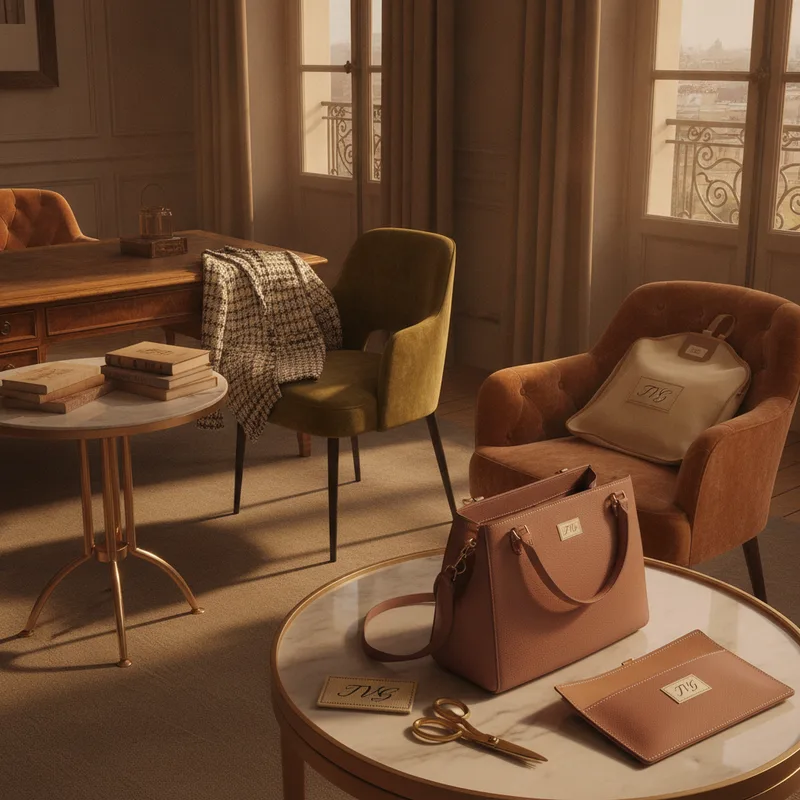
The 2.55 bag (1955–present). The original. The one with the rectangular turn-lock — not the interlocking CC logo, which came later. Early 2.55s in black lambskin from the 1950s and 1960s trade for £8,000–25,000 depending on condition and provenance. The 1980s reissues — which reintroduced the original turn-lock after the CC logo had dominated — are the smart buy at £2,500–4,500. They are climbing.
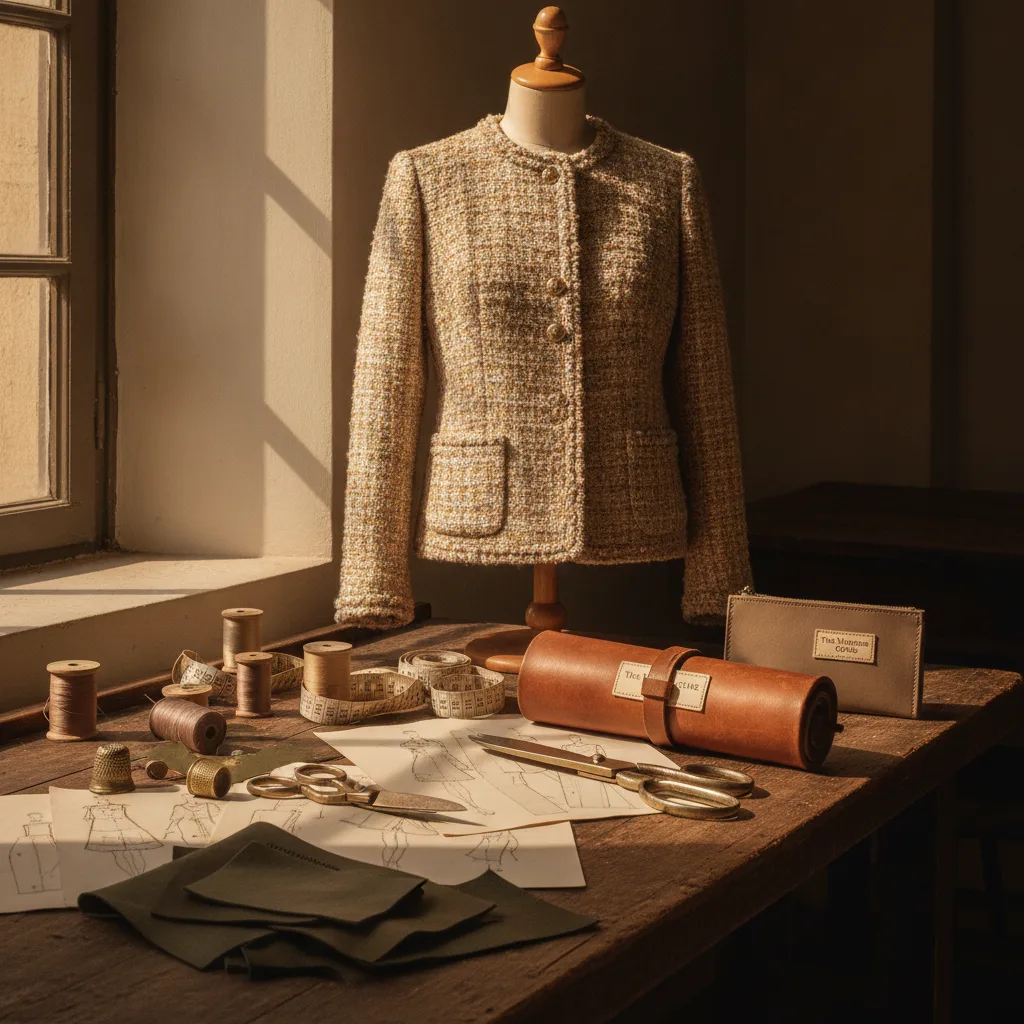
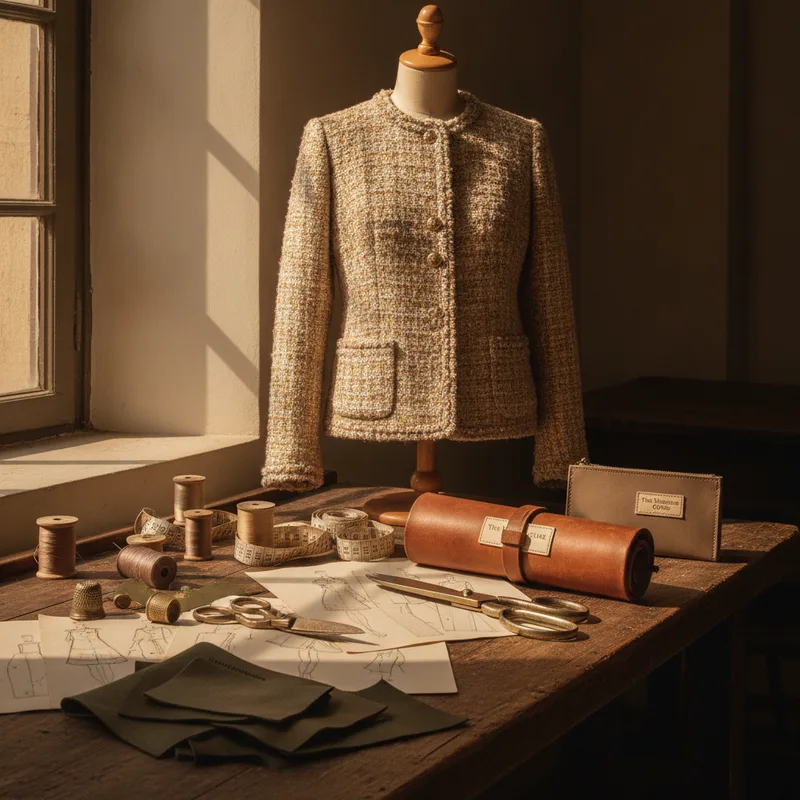
The tweed jacket (1983–1990s). The most undervalued Chanel item in the vintage market. A 1980s Lagerfeld tweed jacket with chain-weighted hem (to make it hang properly — Chanel's engineering trick) trades for £3,000–8,000. A current-season tweed jacket costs more. The vintage ones are better made. Buy these.
The costume jewellery (1980s–1990s). The market gets this wrong. Chanel costume jewellery is not gold. It is gold-plated metal. The value is in the design, not the material. Gripoix glass necklaces from the 1980s — made by the Maison Gripoix for Chanel — trade for £500–2,500. Look for the Gripoix stamp on the back of the clasp. Fakes are common. Real Gripoix has weight.
The two-tone slingback (1983–present). The beige body with black toe cap — launched by Lagerfeld in 1983. Vintage pairs in good condition trade for £200–500, which is absurdly low for a shoe that defined 40 years of footwear design. They will not stay this cheap.
Where the market is
Paris is the primary market but also the most expensive. French auction houses like Artcurial and Cornette de Saint Cyr run dedicated Chanel sales twice yearly. The best pieces surface here, but you pay full retail-plus.
Tokyo values Chanel more aggressively than any other city. Amore Vintage Tokyo and Brand Off in Shibuya carry archives that no longer exist in Europe. Expect a 20–30% premium over Paris, but expect to find things you will not find elsewhere.
London is the sweet spot. Prices are 10–15% below Paris, and the authentication standards at dealers like William Vintage and Kerry Taylor Auctions are impeccable. The UK also has stronger consumer protections for auction purchases.
Online, Vestiaire Collective is the largest marketplace, but authentication is inconsistent. The RealReal has better authentication but higher prices. eBay is worth monitoring — set alerts for "Chanel vintage 1980s jacket" and "Chanel 2.55 vintage" and check daily. The best deals are on poorly photographed items with incomplete titles.
How to authenticate
Chanel authentication is both the most documented and the most faked in luxury fashion. Three quick checks:
The stitch count. Chanel quilting should have exactly 10 stitches per inch on leather goods. Count them. Fewer than 9 is almost certainly counterfeit.
The CC lock. On bags from the mid-1980s onward, the right C should overlap the left C at the top. The left C should overlap the right C at the bottom. Replicas get this wrong constantly.
The weight. A genuine 2.55 has a heft that fakes cannot replicate because they use thinner chains and lighter hardware. A vintage 2.55 in lambskin should weigh approximately 600 grams. If it feels light, walk away.
The investment case
Chanel bags appreciate at roughly 8–12% per year for pre-1990 pieces, according to data from the Art Market Research Luxury Index. A 1980s 2.55 bought at £2,500 five years ago trades at £4,000–5,000 today. The best-performing category — 1980s Lagerfeld runway jackets — has seen 15–20% annual appreciation over the past three years as collectors shift from bags to ready-to-wear.
The risk is in current-season pieces. A 2024 Chanel bag bought at retail for £5,500 will lose 20–30% the moment it leaves the boutique. Vintage Chanel — actual vintage, not "pre-owned last season" — is the safer bet.
Chanel once said: "Fashion changes, but style endures." The vintage market has decided she was right — and it is willing to pay for the evidence.
About the designer
Chanel
Discover the story behind Chanel — their archive, era, and signature pieces.
Explore Chanel →