
Tokyo Vintage: The Complete Guide to Japan's Second-Hand Paradise
3,000+ shops across Shimokitazawa, Koenji, Harajuku and Ameyoko — the world's most obsessive vintage culture, decoded.

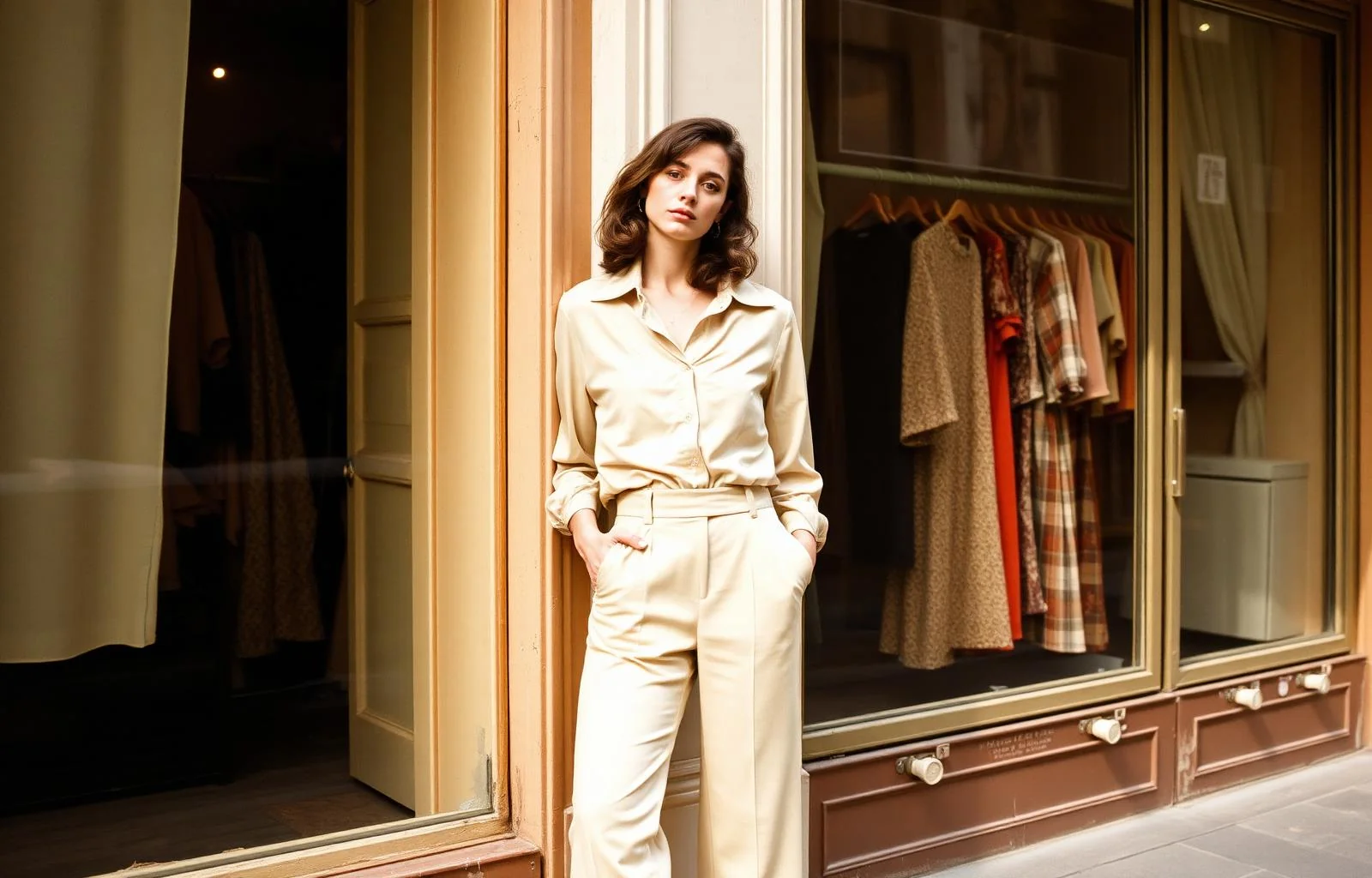
Tokyo doesn't just have a vintage scene — it is the vintage scene. No other city on earth has this density, this variety, and this sheer obsessive care applied to second-hand clothing. Japanese vintage culture is built on a philosophy that doesn't really have a Western equivalent: a piece isn't "used," it carries omoi — the weight of its history. Shop owners are curators, archivists, sometimes even scholars of specific decades, brands, and fabrics.
The result is a city where you can walk into a random side-street shop in Shimokitazawa and find a 1960s Ivy League cardigan pressed and presented like a museum artifact — for ¥4,000 (€25). The scale is staggering: Tokyo has an estimated 3,000+ vintage and second-hand shops, from multi-floor department stores to six-tatami-mat micro-shops run by an 80-year-old who's been selling the same style of 1950s workwear since the Showa era.
The Districts
Shimokitazawa — The Holy Land
If you only visit one vintage district in Tokyo, make it Shimokitazawa. This maze of narrow streets just two stops from Shibuya is ground zero for affordable, high-quality vintage. The vibe is student-meets-musician-meets-film-director: tiny coffee shops, live houses, and roughly 200 vintage stores packed into a walkable grid.
New York Joe (multiple locations) is the entry point — organized by color and category, with a focus on American casual from the 1970s–1990s. Prices start from ¥500, and the selection rotates constantly. Flamingo is the famous one — its Shimo location specializes in 1940s–1970s Americana with a level of curation that borders on archival. Expect ¥3,000–8,000 for a piece. Haight & Ashbury is the premium option: designer vintage, pristine condition, ¥10,000+. For the dedicated browser, Chicago (Shimo branch, not to be confused with the Harajuku megastore) specializes in kimono and Japanese traditional wear — haori jackets from ¥2,000, obi from ¥1,500.
Koenji — Punk Rock & 1970s Gold
One stop west of Nakano on the Chuo Line, Koenji is Tokyo's anti-establishment neighborhood — and its vintage reflects that. The shops here skew toward 1960s–1980s casual with a heavy dose of band tees, vintage denim, and workwear. Koenji is less curated than Shimo and cheaper for it. Polaris and Small Change are standouts. The best strategy: get off at Koenji Station, walk south along the covered shopping arcade (PAL), and follow your instincts.
Harajuku & Omotesando — High-End Curation
Harajuku's vintage scene has evolved from the Cheap Monday era into something more refined. Kindal (multiple locations) is the luxury resale chain where you'll find Comme des Garçons, Undercover, and archival Margiela at 40–60% off original retail. Ragtag on Cat Street is the flagship — three floors of designer vintage immaculately organized by brand. For the most interesting selection, BerBerJin (basement of the same building on Meiji-dori) is the specialist in 1950s–1960s American vintage: think vintage Levi's, 501s by year, military jackets with provenance. Prices run ¥20,000–80,000 but the education is free.
Ameyoko (Ueno) — The Bargain Circuit
Ameyoko is less "vintage" and more "organized chaos market" — but for the bargain hunter, it's essential. The covered market street running from Ueno Station to Okachimachi is lined with stalls selling everything from military surplus to last season's Uniqlo samples. Hinoya is the destination for Japanese selvedge denim (new, not vintage, but worth the detour). For actual vintage, wander the side streets feeding into the main arcade — you'll find ¥500 bins, ¥1,000 jacket racks, and the occasional ¥3,000 1960s Noragi (Japanese work jacket).
Practical Notes
Japanese sizing runs 1–2 sizes smaller than Western equivalents. A Japanese Large is roughly a European Medium. Most shops have fitting rooms — use them. Cash is still common in smaller shops, though chains like Kindal accept cards. Opening hours: typically 11:00–20:00, and many smaller shops close one random weekday (often Tuesday or Wednesday). Google Maps opening hours are generally reliable.
The single most important tip: Japanese vintage shop owners take immense pride in their curation. A respectful nod, a quiet "sumimasen" (excuse me), and treating the garments with care will open doors that tourist-volume English never will. These aren't thrift stores — they're collections that happen to be for sale.
Why Tokyo Matters
Tokyo has changed how the world values vintage. The Japanese approach — grading by condition, researching provenance, presenting garments as cultural artifacts — has elevated the entire global market. When you buy vintage in Tokyo, you're not just getting a better price than in Paris or New York (which you usually are). You're participating in a culture that has spent 50 years perfecting the art of the second-hand. Start in Shimokitazawa, work your way through Koenji, and end in Harajuku. In one day, you'll see more exceptional vintage than most cities can show you in a lifetime.
About the designer
Shimokitazawa
Discover the story behind Shimokitazawa — their archive, era, and signature pieces.
Explore Shimokitazawa →